Where Bora Meets Opoka: Natural Wine Trails in Vipava Valley and Goriška Brda
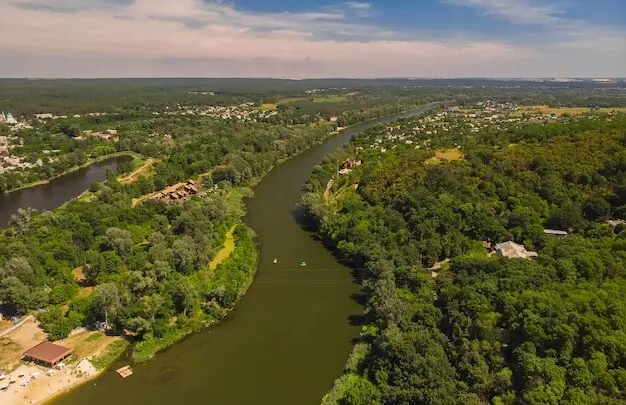
Join us as we wander the Natural Wine Trails of Vipava Valley and Goriška Brda, tracing stone-walled terraces, quiet cellars, and sunlit ridgelines shaped by alpine breezes and Mediterranean light. We will sip ambers and lively pét-nats, meet growers who trust native yeasts, and discover how wind, soil, and patience guide every bottle. Bring curiosity, a notebook, and a gentle pace—these roads reward listeners. Share your questions, stories, and favorite routes so our community of explorers can travel wiser, kinder, and more deliciously together.

Landscape, Wind, and Stone: The Taste of Place

Vipava Valley and Goriška Brda pour their landscapes directly into the glass. The bora wind sculpts berries and concentrates flavors, while layered flysch, known locally as opoka, adds mineral tension and finesse. Sunlit slopes collect warmth by day, releasing it back to clustered vines under moonlit skies. Springs rise from limestone, cooling the air, encouraging slow ripening and nervy acidity. Understanding this choreography of wind, rock, and light prepares you to read each sip as a vivid map, not a label. Tell us what you taste—wind, stone, or sun—and compare notes with fellow wanderers.

Grapes With Local Soul

Rebula Across the Terraces
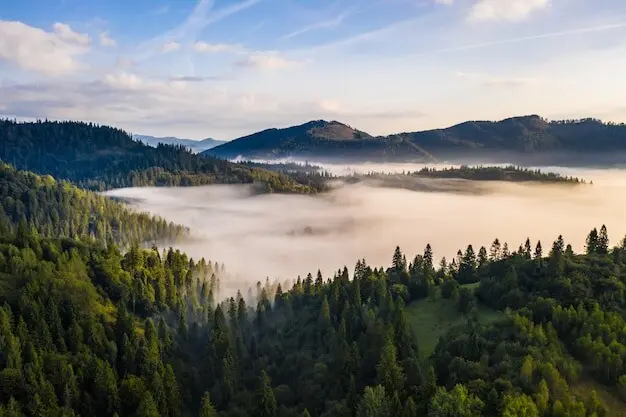
Rebula feels like a conversation between hillside and hand, its quiet aromatics unfolding gradually when given space. In stainless steel, it hums with citrus and saline clarity; in large old oak, it widens, carrying pear skin and almond. Extended skin contact adds tea-like tannins and copper glints, a texture that loves long lunches. Trace it from Šmartno to Dobrovo, noticing how altitude shifts tone. Keep notes on mouthfeel as much as aroma—Rebula’s message often arrives by texture first, like reading braille sunlight across your tongue.

Zelen and Pinela from Vipava’s Heritage
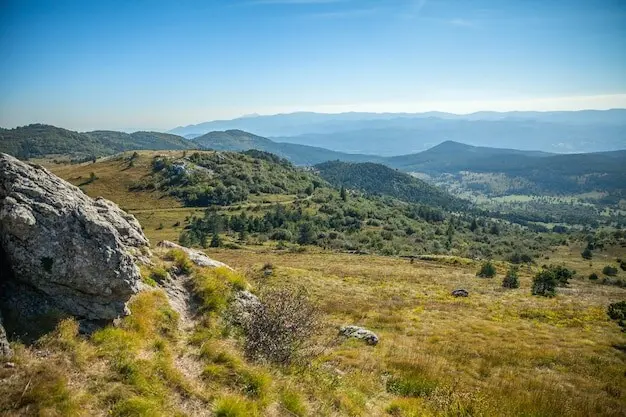
Zelen lifts like spring leaves after rain, green-tinged and gently spicy, with a grassy flutter that never turns harsh. Pinela arrives softer, pear-scented and round, yet still mineral-boned and poised. Both adore honest cooking: herb omelets, garden lettuces, young cheeses, trout with lemon and thyme. Sip beside the Vipava springs and notice how the water’s clarity echoes in the glass. When people recall their first visit, they often remember these two not as showstoppers but as trusted friends, quietly refilling your glass while the conversation deepens beautifully.

Skin Contact and Amber Radiance

Time with skins rewrites the script for local whites, layering tea leaves, dried orange peel, and a whisper of orchard tannin. Texture leads flavor; patience leads pleasure. Macerations range from a few days to many moons, sometimes in clay amphorae kissed by subterranean cool. These ambers excel at the table, where structure meets sauces without blinking. Approach them slowly—cool but not cold, wide glasses, unhurried swirls. Then tell us: where did the tannin land on your palate, and which dish made the wine lean forward, eager and bright?

A Day Between Šmartno and Gonjače

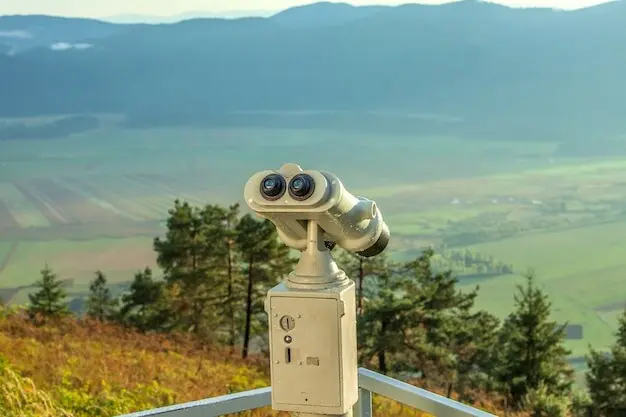
Begin atop Šmartno’s ramparts, where terracotta roofs roll like gentle surf toward Italy. Descend onto terrace paths perfumed by wild thyme, then climb to the Gonjače tower for a compass of horizons. Book a mid-morning tasting nearby, letting the landscape set your pulse before the first sip. Lunch on polenta with mushrooms beneath mulberry shade, then glide along back lanes at golden hour. As shadows lengthen, taste Rebula again; the view explains the texture. Post your route and timing so fellow travelers can catch the same honeyed light.

Stone Labyrinth of Goče and Erzelj

Lose and find yourself among alleys where stone houses lean into one another like old friends. Vaulted cellars breathe cool wisdom; hand-chiseled lintels frame doors older than your favorite maps. Bookings matter here—producers are small, rhythms personal. Taste Zelen where the bora sighs around a corner, then slip to Erzelj’s hillside for sunset. Hear your footsteps edit their tempo on cobbles, mirroring each sip’s cadence. Share respectful navigation tips, parking spots that do not crowd doorways, and the bench where you quietly watched swallows stitch dusk.

Riverside Meander from Vipava Springs to Ajdovščina

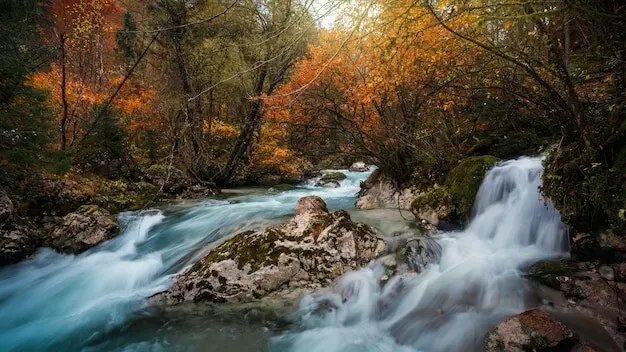
Start where cold, glassy water erupts from limestone mouths, cooling the air like a whispered promise. Follow shaded paths lined with walnuts and elderflower until the town unfolds, cafés humming softly. Book a tasting that highlights Pinela’s pear-lilt, then wander to a bakery for brioche scented with lemon zest. Consider a gentle bike route returning along orchards heavy with cherries in late spring. Mark fountains for refills, note family-friendly stops, and share your safest crossings. The river will escort you, and later, its clarity will echo through your glass.

Inside the Cellar: Hands-Off, Heart-Forward

Natural winemaking here is less ideology than attentive listening. Grapes arrive by gravity, not pumps, skins are respected, and fermentations begin without introductions—native yeasts know the dance. Clay amphorae, large-old casks, and concrete eggs cradle slow changes; sulfur use is modest, timing careful. Cloudiness isn’t a flaw but a story mid-sentence. Visitors are welcomed when curiosity is gentle and time unhurried. Ask about vintages shaped by rain or wind, not scores. Then tell us which vessel’s whisper you heard most clearly, and why.

Amphora Whispers and Old Oak Patience

Bury your palm against amphora clay and feel cellar cool radiate like a steady heartbeat. Inside, wine moves slowly, exchanging quiet notes with earth while oxygen tiptoes in measured steps. Old, neutral oak adds breadth without perfume, a timbered room for ideas to unfurl. Producers will often pour two versions side by side—steel’s clarity against amphora’s herbal hush—inviting you to compare textures like fabrics. Record mouthfeel metaphors that help later: silk, linen, felt. Those tactile memories anchor complex flavors better than any tidy grid of tasting wheels.

Native Yeast Improvisations

Spontaneous fermentations can start timidly, then surge like a jazz solo after midnight. Temperatures rise and settle; aromas bloom, retreat, and reappear wearing new hats. The grower listens with hydrometer and nose, intervening sparingly. Sometimes a ferment naps through cold, waking in spring refreshed and certain. Taste across barrels and learn how one vineyard’s microflora tilt a wine toward chamomile while another lifts citrus pith. Share experiences of ferments you have witnessed elsewhere; the cellar door becomes a classroom when stories cross-pollinate with patience and open ears.

Plates That Sing With the Glass
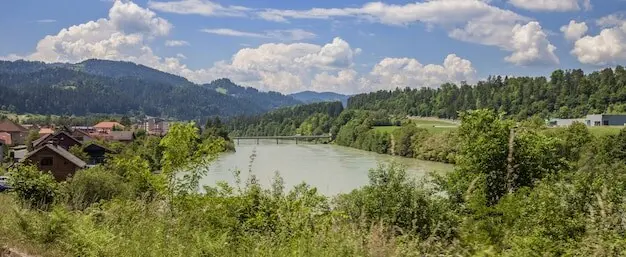
These hills know hospitality by heart, and the table is its stage. Prosciutto sliced whisper-thin, Tolminc and Kraški cheeses, garden frtalja with wild herbs, polenta pooling like warm sunlight, and stews scented with bay. Olive oil drips emerald across warm bread; cherries stain napkins in late spring. Ambers grip sauces without flinching; Rebula refreshes bites between; Zelen brightens herbs as if turning up the light. Share your pairings and recipes so others can recreate that long-lunch glow wherever they uncork a memory.

Rebula With Stone and Sea

Rebula’s saline edge nods toward distant Adriatic breezes, making it a graceful partner for trout with lemon, grilled sardines inland, or simply tomatoes dusted with salt and cracked pepper. In larger oak, it broadens enough to soothe garlicky sauces while keeping conversation crisp. Try it with risotto scented by fennel tops, noting how citrus hushes richness. Post your simplest successful pairing—the kind you can assemble from a market basket—and explain why it worked, so fellow travelers can duplicate delight even far from these sunlit terraces.

Zelen’s Garden and Mountain Air

Zelen is the companion for herb-driven plates: frtalja with chives, asparagus grilled until sweet, young goat cheese drizzled with early-season oil. Its gentle green lift never bullies, instead tidying flavors as a host might straighten a tablecloth. Chill, but not too cold, to let spice and meadow flowers stretch. Consider a picnic that layers textures—crunch, cream, herb, smoke—and watch how Zelen knits edges together. Share photos of your basket, list the fields you foraged or markets you visited, and invite readers to swap their freshest seasonal ideas.

People and Stories Along the Road

These trails are stitched by hands, not highways. A farmer shows you the palm scar from an old pruning slip; a baker wraps still-warm bread while asking which slope you walked; a cooper points at rings on staves like tree history class. Harvest laughs stretch into starry nights, and winters echo with barrel taps. Collect names carefully and respect privacy, yet carry the stories forward. Comment with a memory that shaped your palate or your patience, so travelers who come next can arrive already listening.

Planning, Seasons, and Traveling Kindly
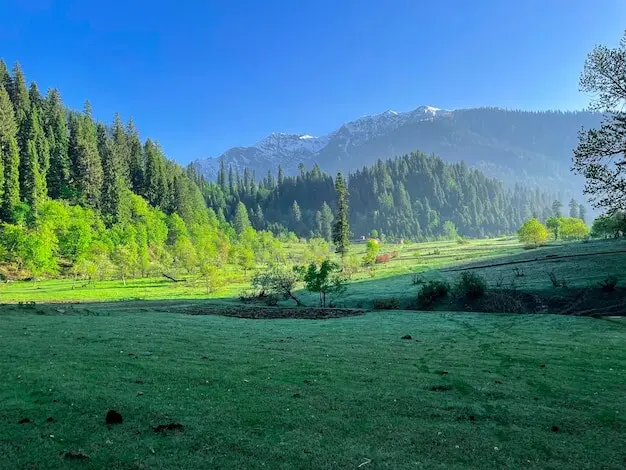
Timing and tenderness improve every journey. Spring unfurls cherries and wildflowers; early summer glows with long evenings; autumn brings harvest hum and sharpened aromas. Book tastings ahead, especially with tiny cellars where family schedules guide availability. Carry water, patience, and cash for small stops. Taste responsibly, use spittoons proudly, and share rides when possible. Learn a few local greetings; they open doors faster than maps. Comment with your calendar tips, rainy-day alternatives, and packing lists so newcomers step onto these trails prepared, respectful, and ready to savor slowly.

When to Go and What to Pack

Aim for April through June or September through October, when temperatures smile and views stay clear. Pack layers for alpine evenings, sunscreen for terrace tastings, and shoes that prefer gravel to catwalk. A notebook or voice memo app captures fleeting aromas before they float away. Bring a reusable bottle, a simple corkscrew, and a respectful curiosity. Share your smartest small additions—a pocket map, a lightweight rain shell, a tote that survived cherry season—and explain how each saved a moment from turning hurried, wet, or otherwise forgettable.

Bookings, Maps, and the Pace of Small Producers

These are families, not factories. A message a week ahead earns warmer welcomes and better conversations. Confirm on the morning of your visit; harvest and weather improvise. Pin offline maps for patchy hills and note cellar entrances tucked behind stone arches. If you must cancel, do so considerately. Ask about tasting fees and bottle purchases, and carry exact change. Afterward, share your favorite navigation tips, kind communication phrases, and the map pins that spared you wrong turns, so others can arrive unflustered and genuinely present at the door.
Karotemivarorinoveltosirasano
Privacy Overview

This website uses cookies so that we can provide you with the best user experience possible. Cookie information is stored in your browser and performs functions such as recognising you when you return to our website and helping our team to understand which sections of the website you find most interesting and useful.