Where Bora Meets Opoka: Natural Wine Trails in Vipava Valley and Goriška Brda
Landscape, Wind, and Stone: The Taste of Place

Grapes With Local Soul
Rebula Across the Terraces
Zelen and Pinela from Vipava’s Heritage
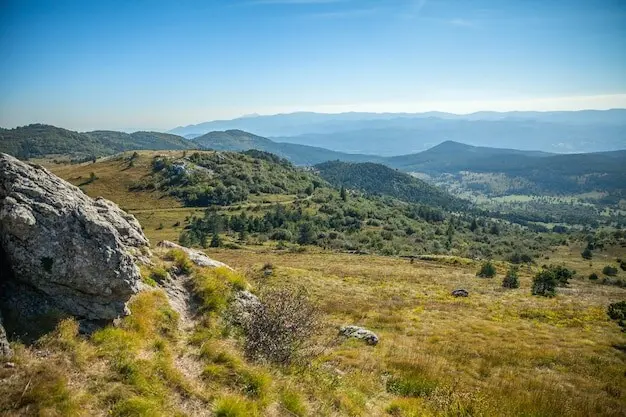
Skin Contact and Amber Radiance
A Day Between Šmartno and Gonjače
Stone Labyrinth of Goče and Erzelj
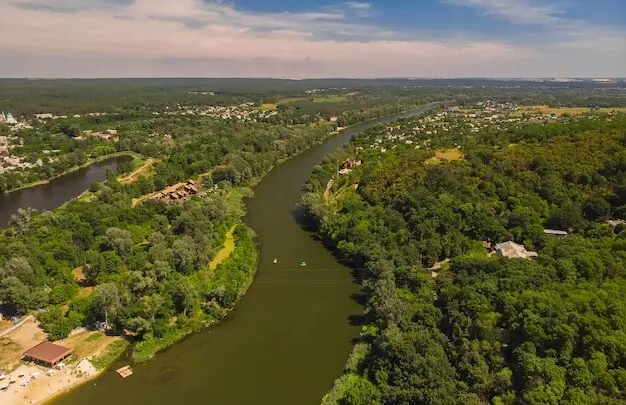
Riverside Meander from Vipava Springs to Ajdovščina
Inside the Cellar: Hands-Off, Heart-Forward
Amphora Whispers and Old Oak Patience
Bury your palm against amphora clay and feel cellar cool radiate like a steady heartbeat. Inside, wine moves slowly, exchanging quiet notes with earth while oxygen tiptoes in measured steps. Old, neutral oak adds breadth without perfume, a timbered room for ideas to unfurl. Producers will often pour two versions side by side—steel’s clarity against amphora’s herbal hush—inviting you to compare textures like fabrics. Record mouthfeel metaphors that help later: silk, linen, felt. Those tactile memories anchor complex flavors better than any tidy grid of tasting wheels.
Native Yeast Improvisations
Spontaneous fermentations can start timidly, then surge like a jazz solo after midnight. Temperatures rise and settle; aromas bloom, retreat, and reappear wearing new hats. The grower listens with hydrometer and nose, intervening sparingly. Sometimes a ferment naps through cold, waking in spring refreshed and certain. Taste across barrels and learn how one vineyard’s microflora tilt a wine toward chamomile while another lifts citrus pith. Share experiences of ferments you have witnessed elsewhere; the cellar door becomes a classroom when stories cross-pollinate with patience and open ears.
Plates That Sing With the Glass
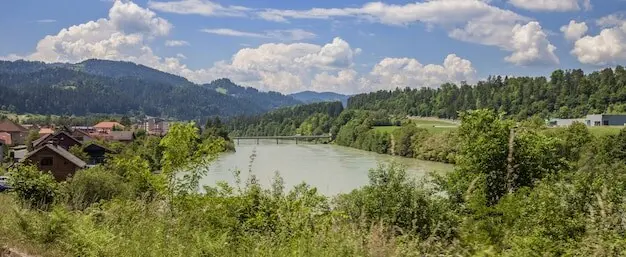
Rebula With Stone and Sea
Zelen’s Garden and Mountain Air
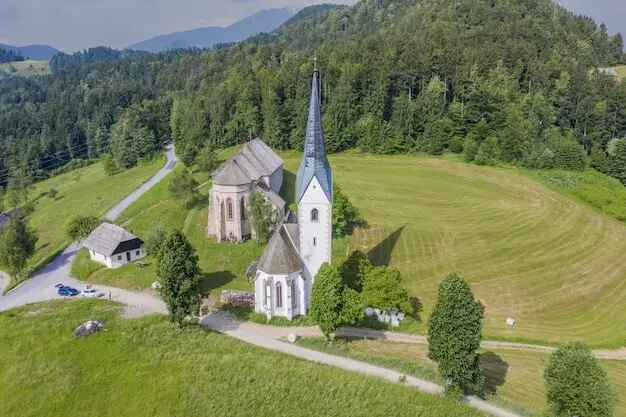

People and Stories Along the Road
Planning, Seasons, and Traveling Kindly
When to Go and What to Pack